STANLEY CABS
Yorke Bay Point
Yorke Bay – From Minefield to Freedom
This breathtaking white sand beach was out of bounds following the 1982 invasion. For 40 years, no one was permitted to set foot on its sands, allowing the landscape to naturally restore itself undisturbed.
During the conflict, the area was heavily mined with both anti-personnel and anti-tank mines. A large-scale clearance operation was later undertaken, but the process proved extremely challenging and time-consuming. Shifting sand dunes caused mine lines to move and become displaced, making detection and removal particularly difficult. Yorke Bay was one of the final major minefields to be cleared before the Falkland Islands were officially declared landmine-free.
A Heartfelt Thank You
The Falkland Islands community owes immense gratitude to the deminers from Zimbabwe — formerly operating as BACTEC and now known as SafeLane Global — as well as the de-mining programme manager, Guy Marot, and all those involved in making the Islands safe again.
For many young adults who grew up after the war, it was simply understood that this beach was somewhere they could never go. Many believed they would never have the opportunity to explore what felt like an undiscovered part of their own home. For those who grew up before and during the war, the thought of never accessing the beach again was deeply emotional — and it was equally emotional when it finally reopened to the public in 2022.
Yorke Bay Today
Today, Yorke Bay is a popular beach enjoyed for a variety of activities, including the annual New Year’s raft race, cold-water dips, kayaking, and general beach recreation.
Visitors may have the opportunity to spot dolphins and seals offshore, and occasionally even a penguin swimming nearby.
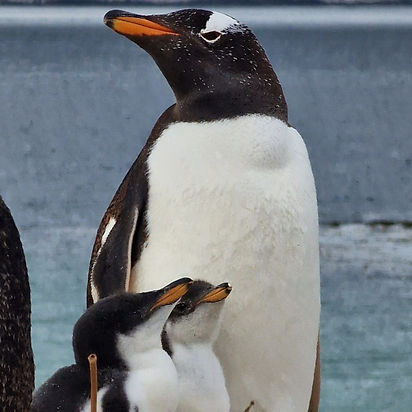
At the easternmost point of the beach lies Yorke Point, a well-known penguin habitat. A large colony of Gentoo penguin resides here, and Magellanic penguin can often be seen wandering through the area. If you are particularly fortunate, you may even spot a King penguin preening its feathers.
Visiting the Area
Access requires travelling along an uneven gravel road, followed by a short climb over a sand dune that takes a few minutes to navigate.
Due to the uneven terrain and sandy incline, the area is not wheelchair accessible. Visitors should be physically able to walk unaided in order to fully enjoy this location.